Hermogenes in Colour – Magnesia, Didyma, and other ‹Polychrome White› Temples
in:
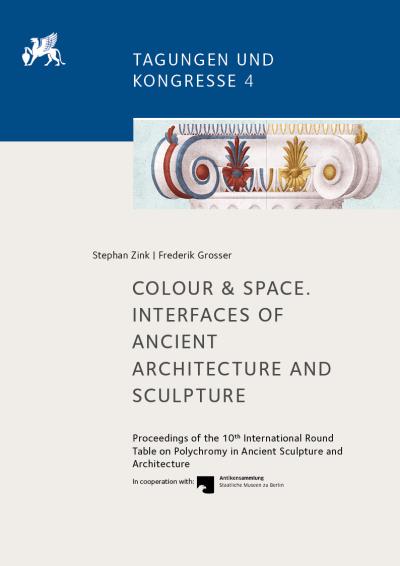
Colour & Space. Interfaces of Ancient Architecture and Sculpture.: Proceedings of the 10th International Round Table on Polychromy in Ancient Sculpture and Architecture
https://doi.org/10.34780/c4k1kt30
Lista degli autori
- Lothar Haselberger [Chapter Author] University of Pennsylvania
Sinossi
At the Antikensammlung Berlin, a pilot project of 2016/17 discovered traces of ancient polychromy on the architectural fragments of Hermogenes’ 2nd cent. B.C. Temple of Artemis. These discoveries led to innovative insights concerning the use of applied colour and its surprising effects on the visual appearance of the Magnesia temple. This set the stage for pursuing afresh the long‑discussed question of polychromy in ancient Greek architecture. At the Hellenistic‑Roman Temple of Apollo at Didyma, J. Riederer’s colour analyses of 1987/88 now appear in their broader context. Along with the reported evidence from Priene, Belevi, and Halikarnassos, they trigger a dramatic change in our perception of how colour – including white – was applied in Late‑Classical and Hellenistic Greek architecture. Most importantly, new light is shed on the use of specific colour schemes (such as the triad of blue, red, and yellow), calculated contour‑shading, and the purposeful white‑coating of marble columns.
Dowloads
Pubblicato
ottobre 14, 2025
Collana
Copyright (c) 2025 Deutsches Archäologisches Institut